27 October 2026
Share this article

When goods need to be weighed during internal transport, mobile weighing is often the most efficient option. Weighing and moving are then combined into a single operation. However, if goods are already grouped together at reception, production or dispatch, a separate checkpoint may be more practical. It is therefore not a question of mobile or static weighing, but of weighing at the point where this best fits in with the flow of goods.

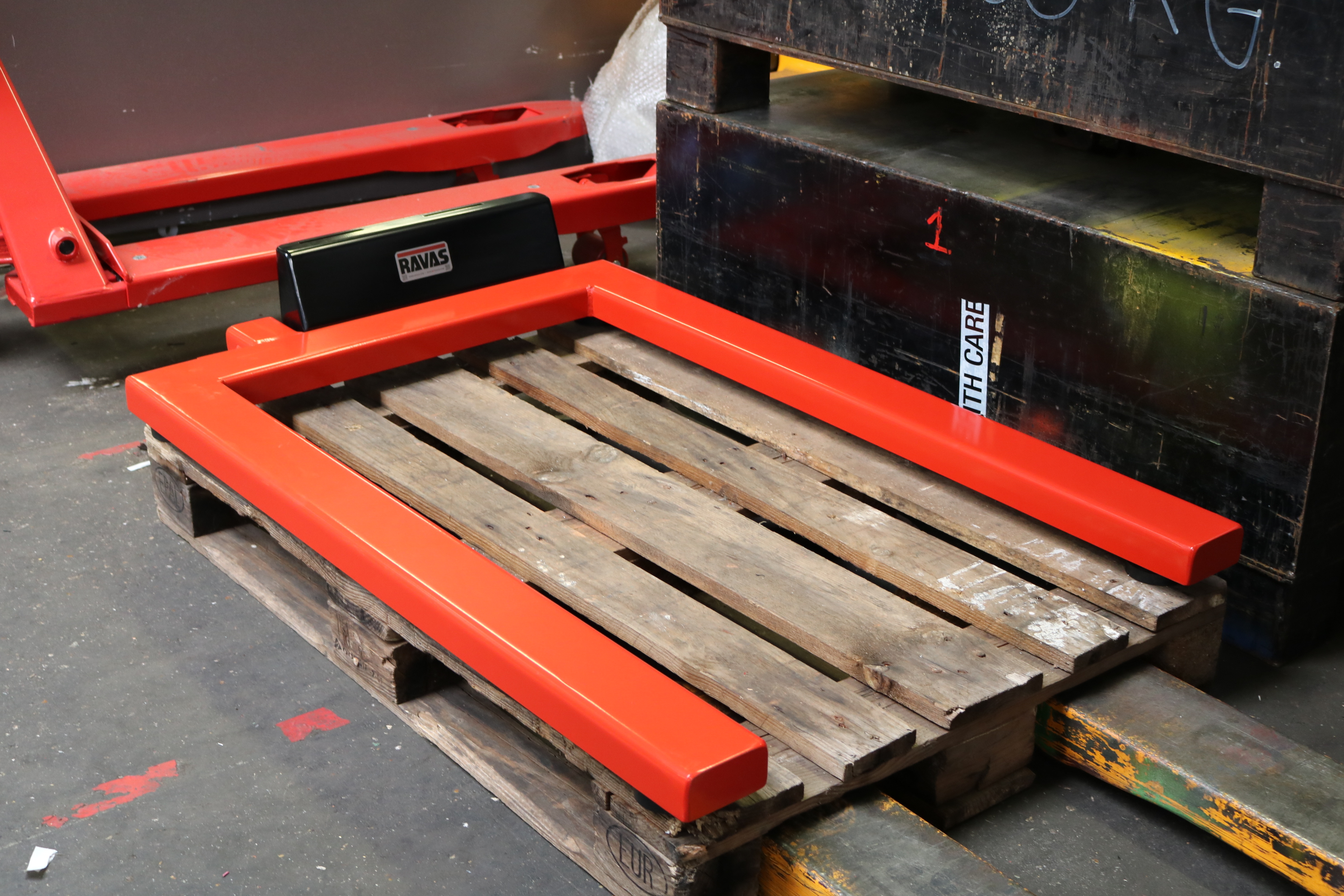
RWB Wireless_2.JPG
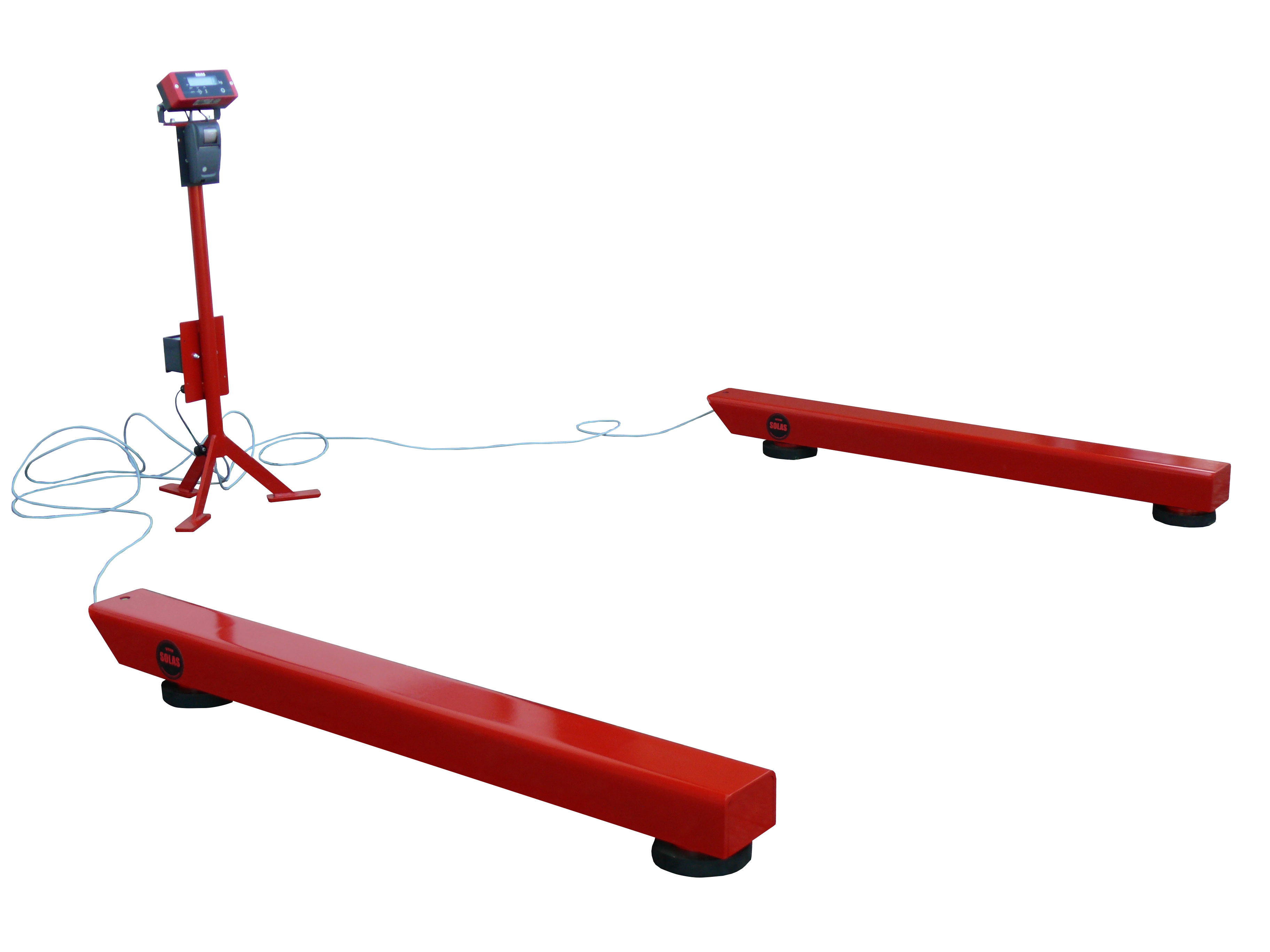
RWB DE_10ton.png

The RWB ND is a U-shaped weighing beam that allows pallets to be placed in the weighing setup using a pallet truck. The RWB DE consists of two separate weighing beams and therefore offers greater flexibility when dealing with non-standard pallets, crates, frames and other loads of varying dimensions. Both models have a standard weighing capacity of 2,000 kg and a maximum deviation of 0.1 per cent of the weighed weight.

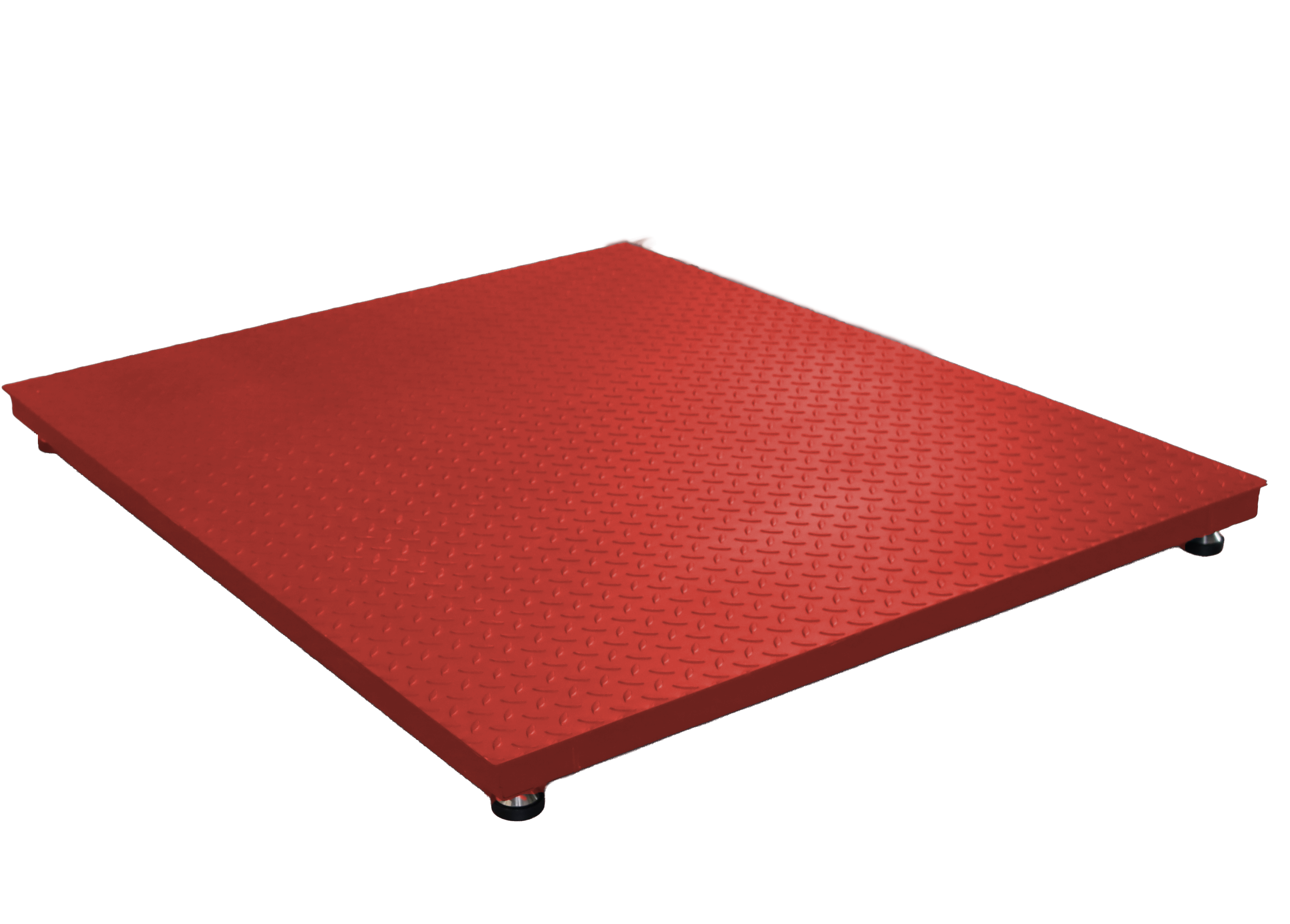
For goods that require full support, the RWB PL offers a complete weighing surface. The platform is suitable for pallets, trolleys, roll containers and heavy or bulky loads, amongst other things. With capacities ranging from 500 to 10,000 kg and various dimensions available, the model can be tailored to suit both compact checkpoints and heavy-duty industrial applications. Optional extras include ramps, a legal-for-trade version, ATEX certification and options for storing or transferring weighing data.

RWB PL plate scale.png

Which weighing solution is right for your process?

RAVAS helps you determine where weighing delivers the most value and which model is best suited to your needs.

Discover the RWB product range