








The deciding factor: integrated weighing technology for efficient intralogistics
The theme of LogiMAT 2026, ‘Passion for Details’, highlights innovations that often go unnoticed in day-to-day practice but which, taken together, are crucial to modern, competitive infrastructures.
Built-in weighing systems are an excellent example of this. Wherever goods are moved, picked, consolidated or prepared for dispatch, their weight is a decisive factor: for the quality, speed and cost-efficiency of the process. So why not integrate weighing into existing processes?
RAVAS Weighing Technology: smart integration instead of separate systems
When weight data is collected directly in the vehicle or in automated systems, this provides an additional tool that not only safeguards operational processes but also significantly optimises them. In many warehouses, weighing has long been a separate operation: picking up and transporting goods, recording them on a stationary scale and then processing them further. This process takes time and halts the flow of materials.
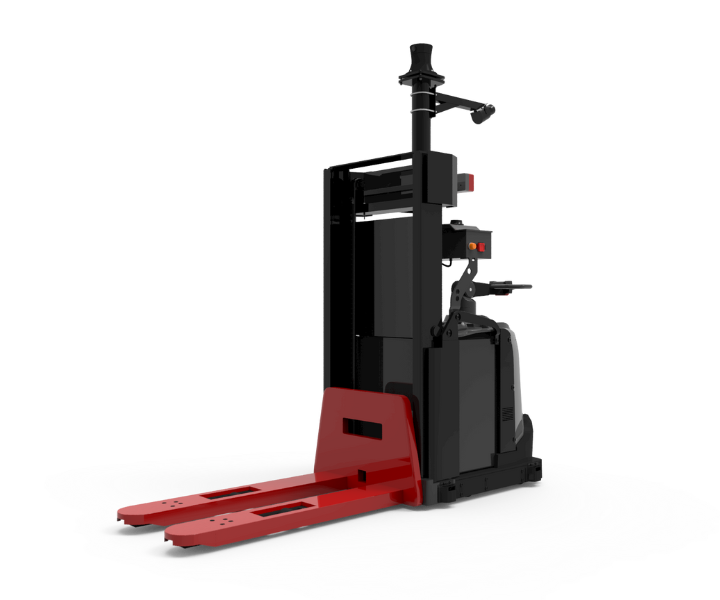
Modern, integrated weighing systems from RAVAS move weight registration to where it has the greatest impact and encounters the least resistance: directly within the transport process. Whether it concerns hand pallet trucks, forklift trucks, warehouse equipment, automated guided vehicles (AGVs) or autonomous mobile robots (AMRs): weighing technology is becoming an integral part of smart intralogistics. This ensures a continuous flow of information with seamless transitions and a high degree of transparency.
Real-time weight data for fast, reliable processes
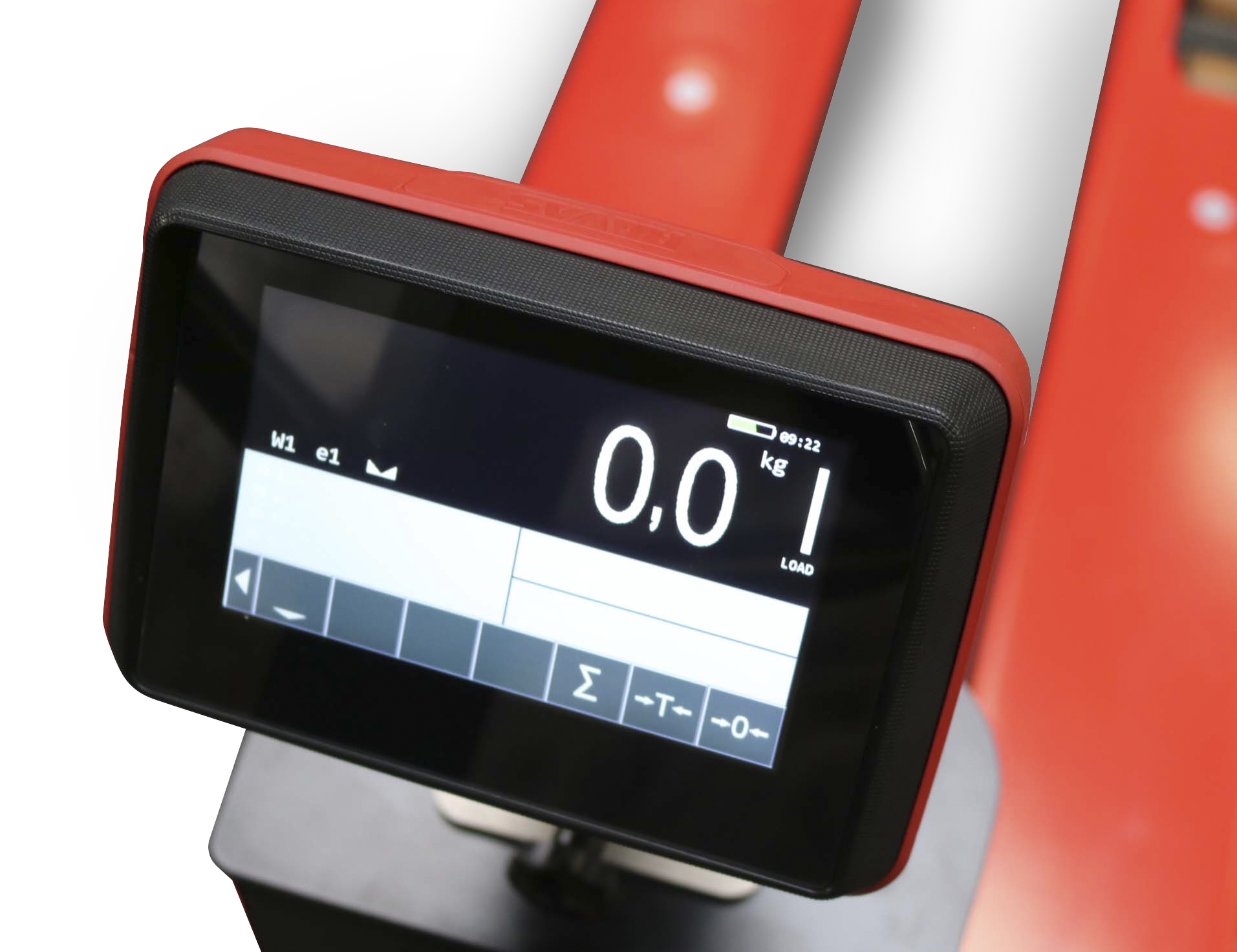
Weight data is not just a control parameter, but an important operational lever. It helps detect overloading or underloading at an early stage, prevent picking errors, and control replenishment processes more accurately. This means that crucial information is available directly within the workflow, rather than only at the end of a process step
Deviations become visible sooner, and corrections can be implemented immediately. This reduces the error rate and prevents inaccuracies that, in the worst case, can accumulate in subsequent processes and ultimately lead to complaints or returns.
Furthermore, companies gain a valuable data layer for analysis, control, and automation. Weight data from mobile weighing technology can be consolidated with other process data and fed into warehouse management systems, material flow computers, or digital control centers. In this way, individual measurement values become a crucial component of data-driven intralogistics.
Integrated Weighing on the Scale of ROI
The economic benefits of integrated weighing systems are particularly evident in day-to-day operations: from reducing picking errors and the associated costs to increasing customer satisfaction. At the same time, movement distances and walking routes, as well as the productivity of people and machines, can be optimized by significantly reducing unnecessary movements within the warehouse in general. The material flow becomes leaner, smoother, and more efficient.
In the context of invoicing, accurate real-time data ensures greater precision. Immediate and reliable recording of batch weight enables accurate invoicing with minimal correction efforts. Last but not least, the utilization of company assets also increases: vehicles and automated systems are no longer delayed by weighing stops. This streamlines processes, reduces downtime, and improves the overall effectiveness of the equipment.
What are the broader implications of minor deviations in the order-picking process?
Order Picking: Understanding Errors and Hidden Costs
How much time is wasted driving to a fixed weigh station?
Weighing time: identifying unnecessary movements
How do small weight differences affect your billing?
Billing: insight into discrepancies caused by weight
Strategic Foundation for Decision-Making Regarding AGVs and AMRs
Integrated weighing technology is gaining strategic importance when it comes to AGVs/FTS and AMRs. In automated environments, weight takes on even greater significance: not only as a measurement value, but as an essential basis for decision-making. With reliable real-time data, systems can act intelligently and dynamically, check loads, adjust routes, or approve process steps.
This makes weight a fundamental building block of autonomous intralogistics and supports system-wide optimization of material flows. Combined with additional sensor and process data, this results in a comprehensive digital representation of actual warehouse operations, extending all the way to the digital twin. Those who make intelligent use of this detailed data create the conditions for a high degree of automation and robust, adaptive logistics processes.
Discover how small details can make a big difference – calculate your savings with the RAVAS ROI calculator.