A pallet loaded at an angle immediately causes deviations
Many companies immediately look to the weighing system itself as the cause, while weighing errors are often caused by factors in the logistics process. From pallets that are loaded incorrectly to wear and tear on parts: even minor factors can affect the accuracy of a measurement.
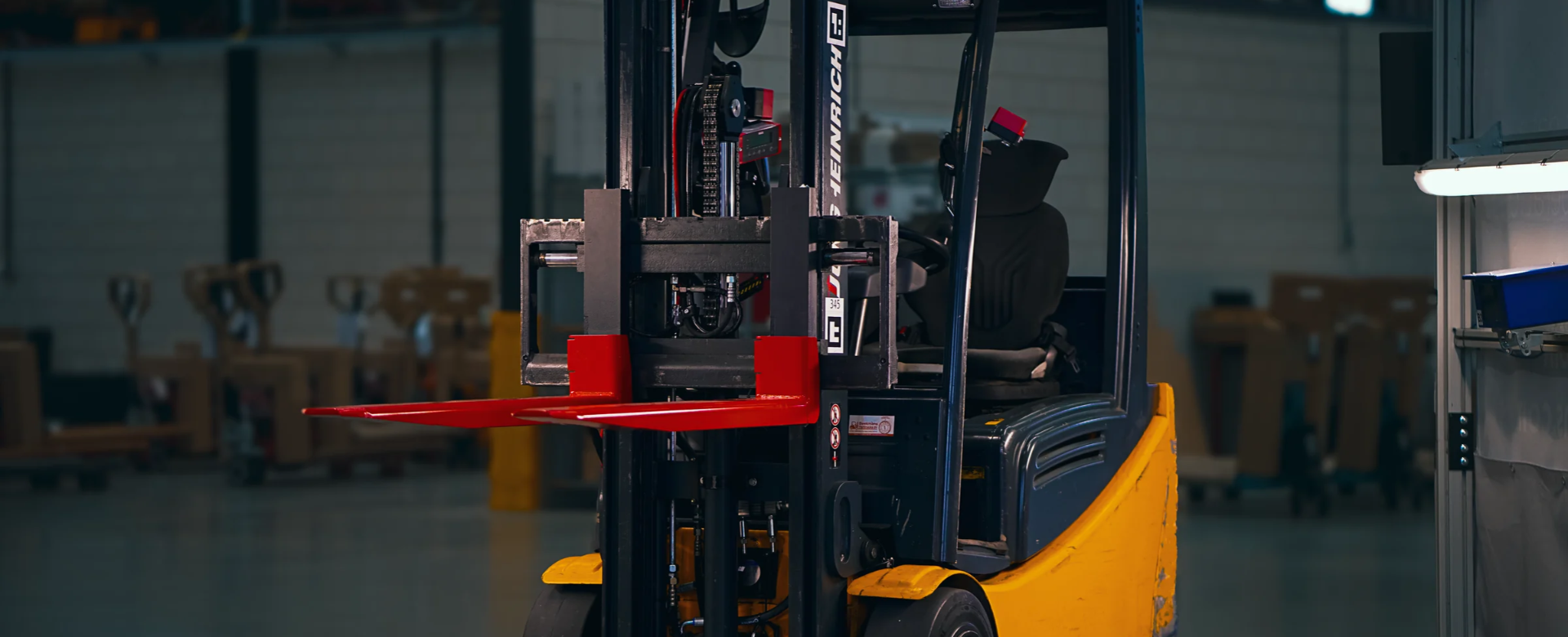
One of the most common causes of weighing errors is a pallet that is not positioned correctly on the forks. In a busy warehouse, a pallet is sometimes picked up quickly, resulting in it not being fully centered. Damaged pallets or loads that are heavier on one side can also cause problems.
As a result, the load is not distributed evenly across the forks. This can cause the system to record a weight different from the actual weight. These discrepancies can quickly add up, especially with heavy or irregularly stacked loads.
Uneven floors affect measurements more than many users realize
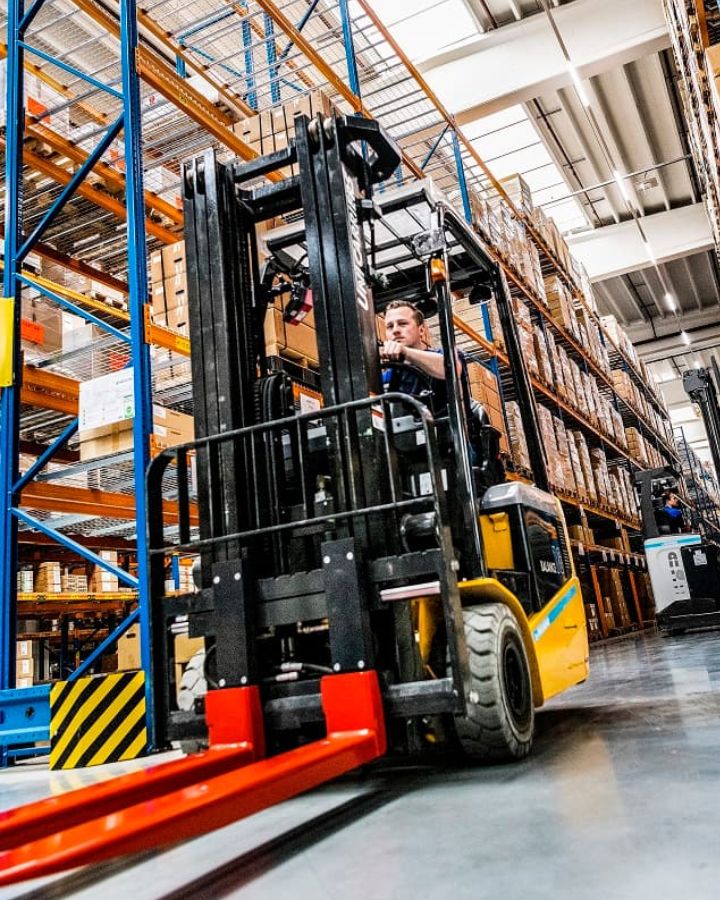
Warehouses are rarely completely level. Loading docks, transition plates, damage to the floor, and outdoor areas mean that forklifts are often positioned on a slight slope.
When a forklift is not stable during a measurement, the distribution of forces on the vehicle changes, and with it, the conditions under which the weight is measured. As a result, the same pallet may show a different weight at different locations. This problem occurs frequently, especially in environments where forklifts are driven frequently both indoors and outdoors.

Wear and tear occurs gradually and therefore often goes unnoticed
Many companies only inspect a weighing system once problems have already arisen. This is understandable, as wear and tear usually develops slowly. Sensors, hydraulic components, and mechanical parts are subjected to shocks, vibrations, and heavy loads on a daily basis.
Because deviations increase gradually, operators often do not immediately notice that accuracy is declining. It is only when inventory discrepancies arise or shipping documents no longer match reality that it becomes clear that measurement performance has changed.
Damage to Sensors and Cabling
Forklifts operate in an environment where equipment is exposed daily to dust, moisture, temperature fluctuations, and physical stress. This can cause sensors to become damaged or cable connections to deteriorate.
These types of problems often do not cause a complete failure. That is precisely what makes them difficult to detect. The system continues to function but occasionally shows unexpected deviations. As a result, it may seem as though the problem occurs randomly, while the cause is actually technical in nature.
Overloading Can Have Lasting Consequences
An occasional heavy pallet often seems like no problem. However, regularly exceeding the maximum capacity can affect the accuracy of a weighing system. Sensors are designed for a specific load. If this limit is repeatedly exceeded, it can affect measurement performance over time.
The damage isn’t always immediately visible. Often, the system continues to function, but its accuracy gradually declines. As a result, problems aren’t detected until discrepancies have been occurring for some time.

Temperature differences also play a role
Many forklifts operate both indoors and outdoors. Temperature differences can be significant, especially during cold winter months or hot summer days. These changing conditions affect various components of the vehicle and the weighing system.
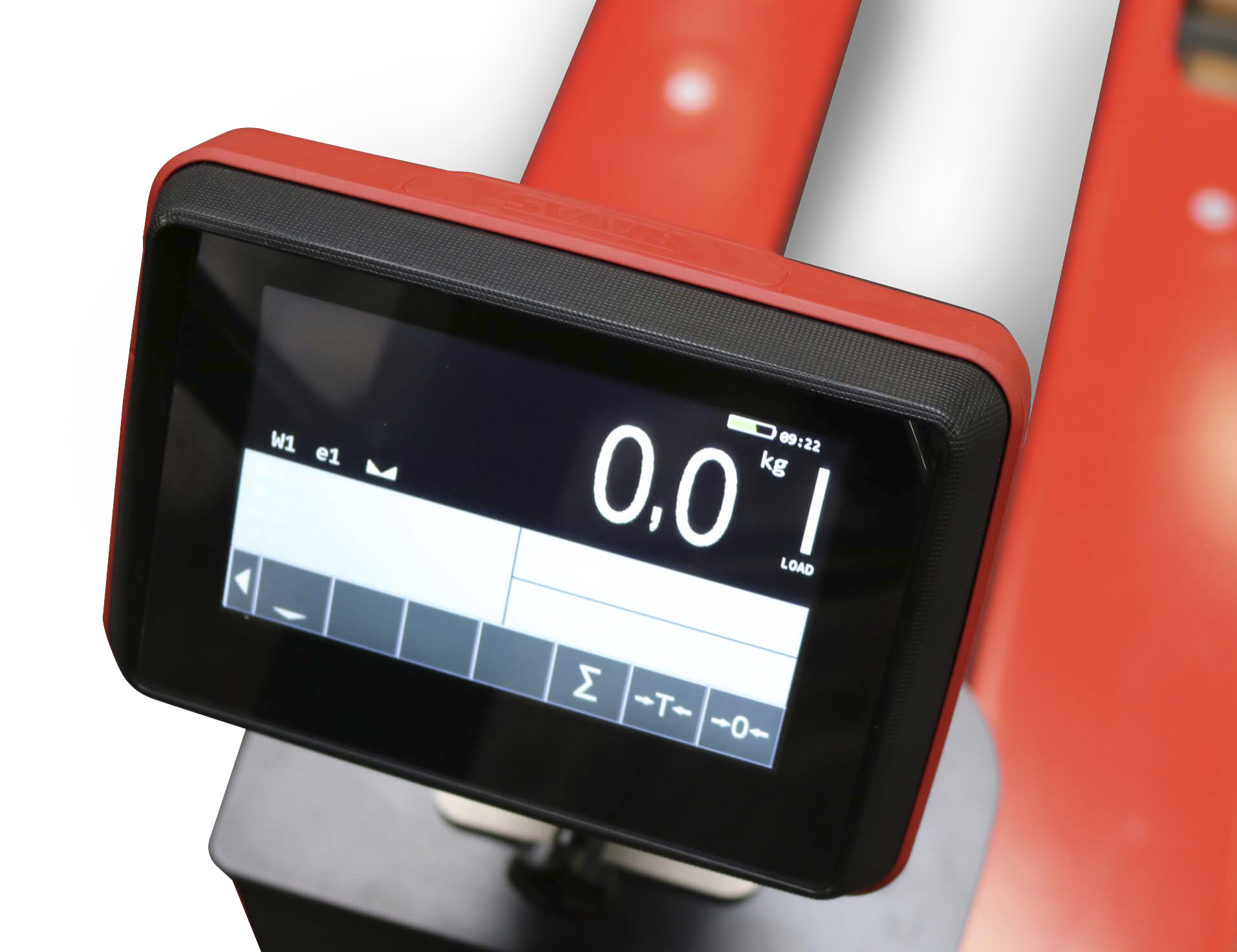
Modern mobile weighing systems are designed to perform reliably under a wide range of conditions, but significant temperature fluctuations may require regular inspection and calibration to maintain high accuracy.
Weighing errors rarely stem from a single cause
In practice, a weighing error usually cannot be traced back to a single problem. Often, it is the result of a combination of factors, such as wear and tear, a damaged pallet, an uneven floor, or overdue calibration. This is precisely why it is important to look not only at the weighing system itself, but at the entire weighing process.
By regularly inspecting equipment, performing maintenance in a timely manner, and ensuring operators follow established procedures, the reliability of weight data is guaranteed. This prevents unnecessary inventory discrepancies, incorrect shipments, and inefficiencies within the logistics operation.
Do you want to minimize weighing errors as much as possible and ensure that your weight data remains reliable? With RAVAS’s mobile weighing systems, calibration services, and maintenance solutions, you can reduce the risk of discrepancies caused by wear and tear, overloading, improper weighing conditions, and other common causes of measurement errors. Our specialists will help you optimize your entire weighing process, ensuring that inventory data remains accurate and logistics processes run smoothly. Feel free to contact RAVAS for a no-obligation consultation and discover which solution best fits your situation.